Skip to content
Orangery CostGet a quote

Orangery Cost

How much does an orangery cost in the UK? In 2026 you're looking at £14,000 to £60,000 for most uPVC and aluminium rooms of 16 to 24 m², built and finished.

Get a quote

£14,000 to £60,000VAT included. Hardwood costs more, small rooms cost more per m², and London and the South East run 20% to 40% higher. A guide, not a quote.

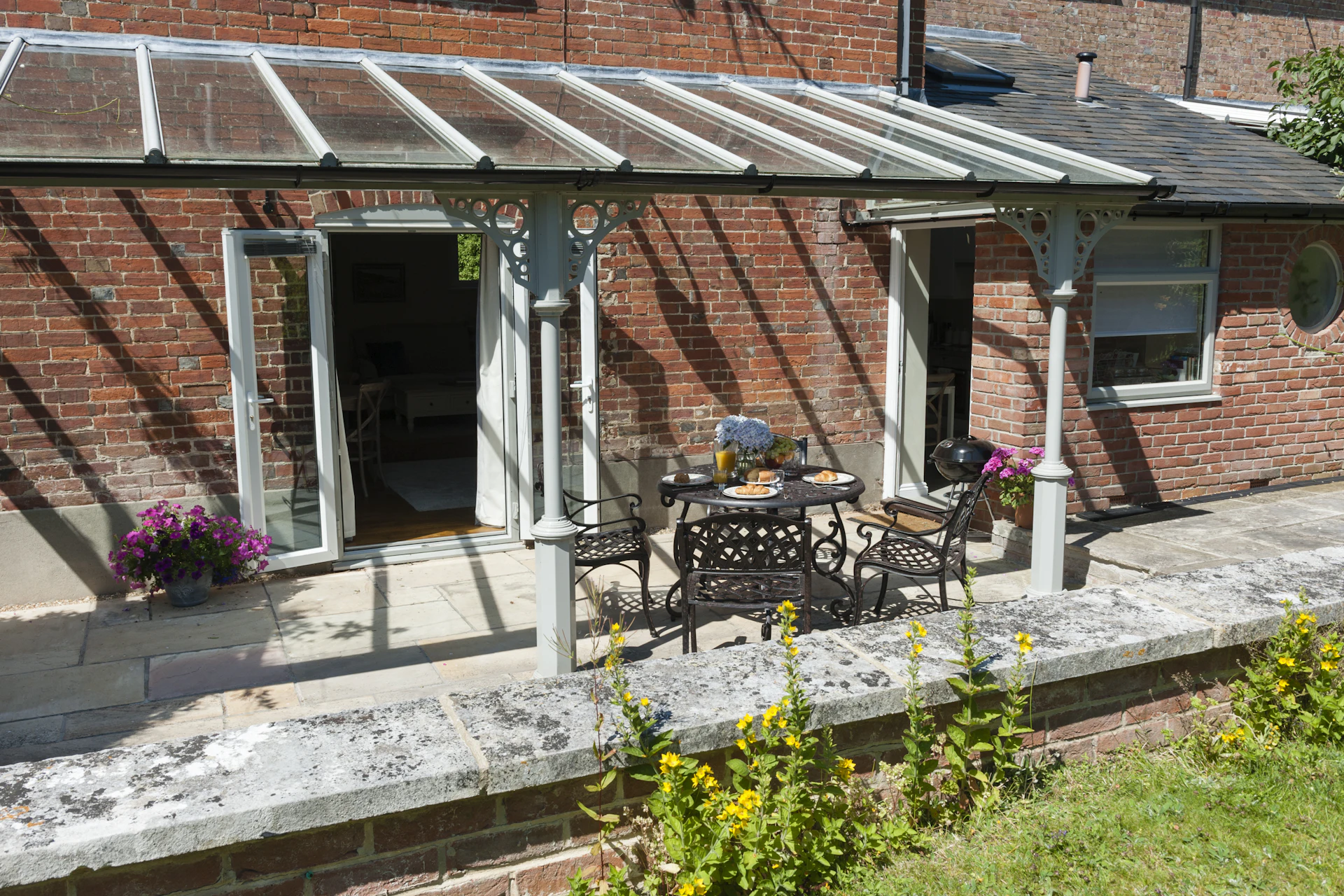
A glass-roofed garden room on the back of a brick house, with a table and chairs on the terrace

Orangery cost UK in five figures

These are the numbers most people want before they ring anyone. Each one is explained further down the page.

£850 to £2,000 per m²
uPVC frames, the cheapest way to build. Aluminium is £1,600 to £2,500 per m² and hardwood £2,000 to £3,000 per m².
£19,500 to £30,000
A 4 × 3 m aluminium orangery, the size that fits behind most semis and terraces. The itemised version is below.
20% to 40% more
What London and the South East usually add to the national ranges on this page.
20% VAT
Charged on building work to an existing home, and already inside every figure here.
£700 to £1,100
Building control for a single-storey room of 10 to 40 m². An orangery nearly always needs it, because its roof is mostly solid.

Orangery prices by size, 3 × 3 to 6 × 4 m

Find the footprint nearest yours and read across to the frame. Each figure is the room built and finished: foundations, brickwork, the insulated roof and lantern, glazing, plaster and electrics, with VAT.

The smaller the room, the closer you'll sit to the top of its range, because the lantern, the junction with the house and the set-up on site cost much the same at 9 m² as at 24 m². Our small orangery cost guide goes into rooms under 16 m².

Going bigger than 6 × 4 m? The second table covers large orangeries, which cost less per square metre but more often need planning permission.

Orangery cost by size and frame, UK 2026, VAT included
FootprintuPVCAluminiumHardwood
3 × 3 m9 m²£8,000 to £18,000£14,500 to £22,500£18,000 to £27,000
4 × 3 m12 m²£10,500 to £24,000£19,500 to £30,000£24,000 to £36,000
4 × 4 m16 m²£14,000 to £32,000£26,000 to £40,000£32,000 to £48,000
5 × 4 m20 m²£17,000 to £40,000£32,000 to £50,000£40,000 to £60,000
6 × 4 m24 m²£20,500 to £48,000£38,500 to £60,000£48,000 to £72,000

Free to cite with a link to this page. Prices as of November 2026.

Large orangery cost, 30 m² and up
FootprintuPVCAluminiumHardwood
6 × 5 m30 m²£25,500 to £60,000£48,000 to £75,000£60,000 to £90,000
7 × 5 m35 m²£30,000 to £70,000£56,000 to £87,500£70,000 to £105,000
8 × 5 m40 m²£34,000 to £80,000£64,000 to £100,000£80,000 to £120,000

Orangery costs by frame material

The frame is the biggest choice you make after the size. uPVC is the budget option and needs the least looking after, aluminium gives the slimmest frames for a modern room, and painted hardwood suits older houses.

All three can meet the same energy rules, because the glass and the insulated roof do most of the work. So ask about the glazing as well as the frame when you compare quotes.

Orangery cost by frame, UK 2026, VAT included
FramePer m²4 × 4 m (16 m²)Upkeep
uPVC£850 to £2,000£14,000 to £32,000Wash down once or twice a year
Aluminium£1,600 to £2,500£26,000 to £40,000Wash down, check the seals
Hardwood£2,000 to £3,000£32,000 to £48,000Recoat the outside every few years

Timber and oak orangery cost

A timber orangery is the traditional version: painted or oiled hardwood frames between brick piers, often with a timber lantern to match. It's the dearest way to build one, at £2,000 to £3,000 per m², and on a Victorian or Georgian house it's often the one that looks right.

Oak needs a little care with the wording. A hardwood-framed orangery with oak joinery sits in the range above. A full oak post-and-beam building, where the timbers are the structure, is made by specialist framers and we don't publish a national price for it, so say "oak" on the quote form if that's what you want.

Upkeep is the trade-off. Factory-finished hardwood needs washing down and an eye kept on the sills and bottom rails, where water sits, and the outside wants recoating every few years, more often on a south or west face.

Orangery cost per m², and why small rooms pay more

Budget £850 to £2,000 per m² for uPVC, £1,600 to £2,500 per m² for aluminium and £2,000 to £3,000 per m² for hardwood. Multiply by the internal floor area and you have a fair first guess at your orangery cost.

Where you land inside each band comes down mostly to size. Some costs arrive whatever the room: the crew, the skip and the scaffold, the flashing and damp-proofing where it meets the house, the drawings and the building control fee. Spread over 9 m² they push the rate up; spread over 35 m² they hardly show.

That's why a 4 × 4 m room often costs only a little more in total than a 4 × 3 m one. Big rooms claw some of it back with a second lantern or a steel over a wide opening, which is what pushes a large job back up its range.
Orangery cost for a 4 × 3 m room, itemised

Here's how the sum works for a common job: a 4 × 3 m (12 m²) aluminium orangery on the back of a semi, with one lantern, outside London. It comes out 3 m, so it fits the permitted development depth for any house in England and needs no planning application.

Keep the existing back doors and the total sits between £20,200 and £31,100. Take the wall out to open it up to the house and it's £21,950 to £35,100, before any kitchen. The same room in London or the South East would be about £23,500 to £42,000 for the build alone.

If it did need a householder application in England, add the council fee of £548. Opening it into a kitchen? Our kitchen orangery page prices the fit-out.

A 4 × 3 m aluminium orangery, worked example, 2026
ItemTypical cost
The orangery, built and finished12 m² at £1,600 to £2,500 per m²£19,500 to £30,000
of which VAT at 20%already in the line above£3,250 to £5,000
Building controlcouncil charge, 10 to 40 m²£700 to £1,100
Planning applicationnot needed at 3 m deep£0
Total, back doors kept£20,200 to £31,100
Forming a wide openingsteel beam, propping, making good£1,750 to £4,000
Total, opened up to the house£21,950 to £35,100

Orangery price calculator

How much will an orangery cost for your house? Pick the nearest footprint, a frame, the roof and where you live, and the range updates as you go. It's a guide, not a quote, and the button carries you to the quote form.

Footprint
Frame
Roof
Where you live

5 × 4 m (20 m²), aluminium frames, one lantern

£32,000 to £50,000

A guide, not a quote. It covers the room built and plastered with its roof, glazing, electrics and VAT. Flooring, a kitchen and decorating are extra.

Get a quote with these answers
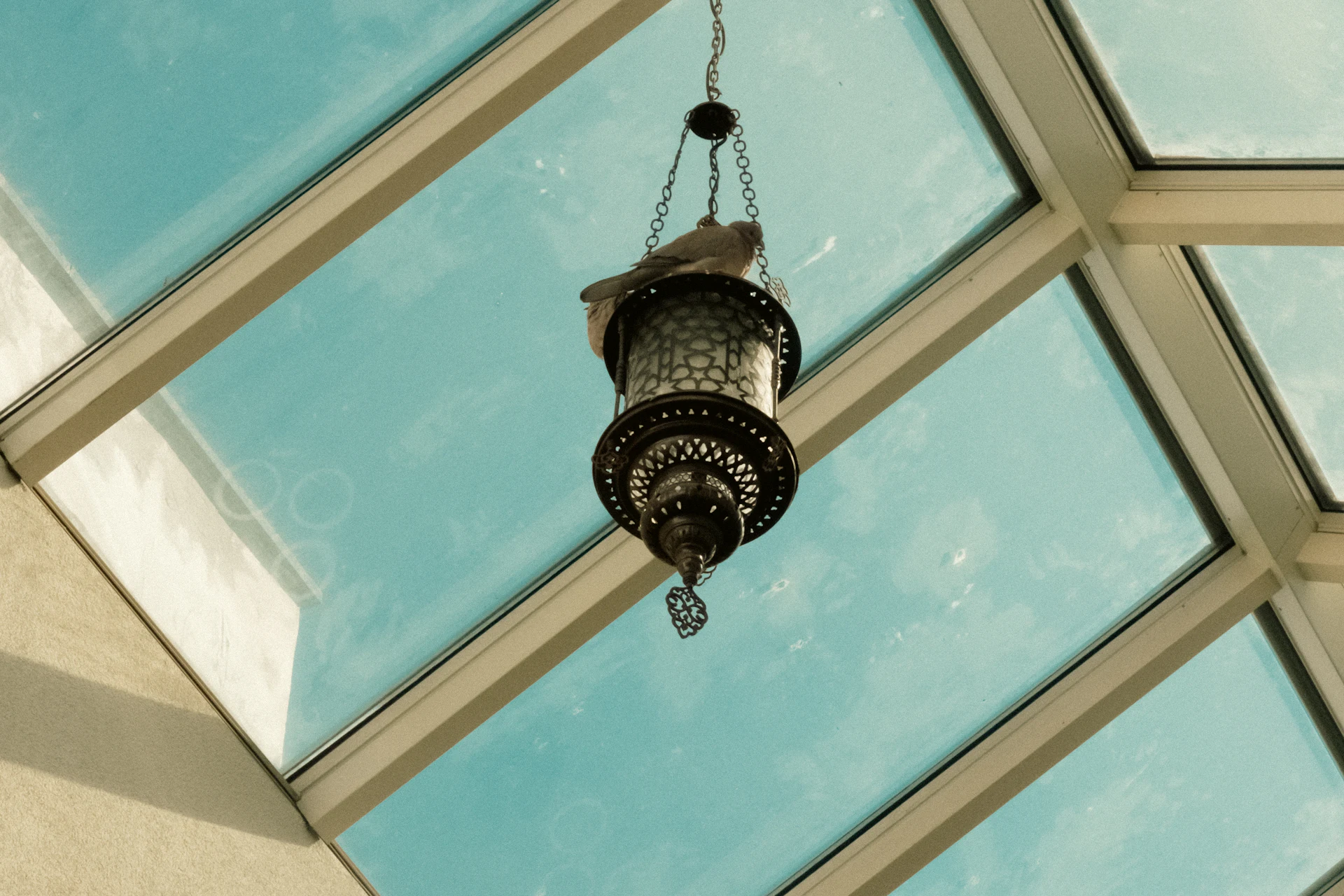
Looking up at a glazed roof lantern with a pendant light hanging from it

Why do orangery installers’ quotes differ so much?

Most of the gap between two installers is the room they think they are pricing, so give every firm the same size, frame and roof. Then look at these.

The roof first. One lantern over a plastered ceiling is the standard. A second lantern, or one longer than about three metres, means more glass, heavier rafters and often a bigger beam, and it pushes a quote towards the top of its range. Our orangery roof guide covers the deck and lantern.

Then the opening into the house. Keep the existing back doors and the room is simpler to build and to heat. Take the wall out and you pay for steel, propping and making good.

Ground is the surprise. Clay, nearby trees or a drain under the patio mean deeper footings, and no builder can price those from a photograph.

Comparing quotes side by side? Our guide to orangery quotes lists what each one should include.

Orangery extension cost, and what you get

An orangery extension is a single-storey room with brick corners, a flat insulated roof and a glass lantern in the middle. The orangery extension cost is the same £850 to £3,000 per m² as above, from uPVC to hardwood.

Neither planning law nor the building regulations use the word "orangery". To your council it's a single-storey extension with the same limits as any other, and because most of its roof is solid it doesn't get the conservatory exemption from building regulations.

Open or closed to the house changes the price more than the frame does. Keep the back doors and you need no steel and no new opening. Knock through and you need a structural design, a beam and making good inside, which is the £1,750 to £4,000 line in the worked example.

Orangery vs conservatory vs extension

These are the three rooms people price at the same time. Here's how they line up on cost and paperwork.

Three ways to add a ground-floor room, 2026
OrangeryConservatoryExtension
RoofSolid deck with a lanternMostly glassSolid, tiled or flat
Per m², VAT included£850 to £3,000Usually less than an orangery£1,800 to £3,000
Building regulationsNeededOften exempt if closed offNeeded
PlanningThe same rules for all three

A conservatory is cheaper but colder in winter and hotter in summer. For warmth, glare and the full side-by-side, see orangery vs conservatory.

Will you need planning permission or building regs?

Three numbers decide most of it, and they come from the Planning Portal and the government's technical guidance.

4 m
The deepest a rear orangery on a detached English house can go without any planning application. Semis and terraces get 3 m.
75%
How much of the roof must be glass for a room to count as an exempt conservatory. An orangery’s solid deck falls short, so expect building regulations approval.
25%
Windows, doors and lanterns up to this fraction of the new floor pass the energy rules as they are. Beyond it, a calculation has to show the room keeps its heat.

Deeper rooms, to 8 m on a detached house or 6 m on others, can go through prior approval, which is where large orangeries usually end up. Wales has its own building regulations guidance, and Scotland sets its own limits and asks for a building warrant. Read more in does an orangery need planning permission?

Where these orangery prices come from

How much is an orangery, and other questions

How much does an orangery cost?
Most uPVC and aluminium orangeries of 16 to 24 m² cost £14,000 to £60,000 to build in the UK in 2026, VAT included. Hardwood frames cost more: about £32,000 to £48,000 for a 4 × 4 m room.
How much will an orangery cost for a 4 × 4 m room?
About £14,000 to £32,000 in uPVC, £26,000 to £40,000 in aluminium and £32,000 to £48,000 in hardwood, built and finished with VAT. Add 20% to 40% in London and the South East.
How much is an orangery per square metre?
£850 to £2,000 per m² in uPVC, £1,600 to £2,500 per m² in aluminium and £2,000 to £3,000 per m² in hardwood. Small rooms sit near the top of each band and large ones near the bottom.
What does an orangery extension cost?
The same as any orangery: £850 to £3,000 per m² from uPVC to hardwood. A standard single-storey brick extension runs £1,800 to £3,000 per m², so an orangery in uPVC or aluminium usually comes in lower.
How much does a large orangery cost?
A 7 × 5 m (35 m²) room runs about £30,000 to £70,000 in uPVC and £56,000 to £87,500 in aluminium. Big rooms cost less per m² but far more often need a planning application.
How much does a timber orangery cost?
Hardwood frames put the room at £2,000 to £3,000 per m², so a 4 × 3 m timber orangery is about £24,000 to £36,000. Oak post-and-beam frames are specialist work and we give no national figure for them.
Do orangery costs include VAT?
Every figure on this page includes VAT at 20%, which HMRC charges on alterations and extensions to an existing home. Planning and building control fees are separate.
Is there an orangery price calculator?
Yes, on this page. Pick a footprint, a frame, the roof and where you live, and it gives a guide range. The button under it takes you to the quote form.
How long does an orangery take to build?
Plan on eight to twelve weeks on site. Footings and brick come first, the roof and lantern next, then the glass, plaster and wiring.
How do I get a quote?
Fill in the form at the foot of this page. It goes to one orangery firm that builds near you, and they get in touch to arrange a visit. It is free and there is no obligation.

Get a quote for your orangery

Tell us where the house is and what you have in mind. Allow a minute. Anything you have not decided yet can stay blank.

We are an introduction service, not an orangery builder. Your request goes to a single builder who covers your postcode, and they contact you to talk it over.

Where should we send the builder's name?
Get a quote